
My Philosophy
All bodies were designed to move.
My approach to movement is rooted in personal experience combined with a lifetime of training and education surrounding the body, the nervous system, anatomy, and development.
I’ve combined my background in dance, barre, yoga, Pilates, and somatic movement to shape an approach that is trauma informed, inclusive, and centered on body intelligence.
My mission is simple: to support people in cultivating a positive, trusting relationship with their bodies through movement.
Movement as connection, not escape
I firmly believe in using movement as a way to connect with, find strength in, and heal the body — rather than to push it, punish it, or escape from it.
When we honor the body through movement, we create the conditions for ease, resilience, and lasting change. This belief guides everything I teach at the MOVEMENT, whether in group classes or private sessions.
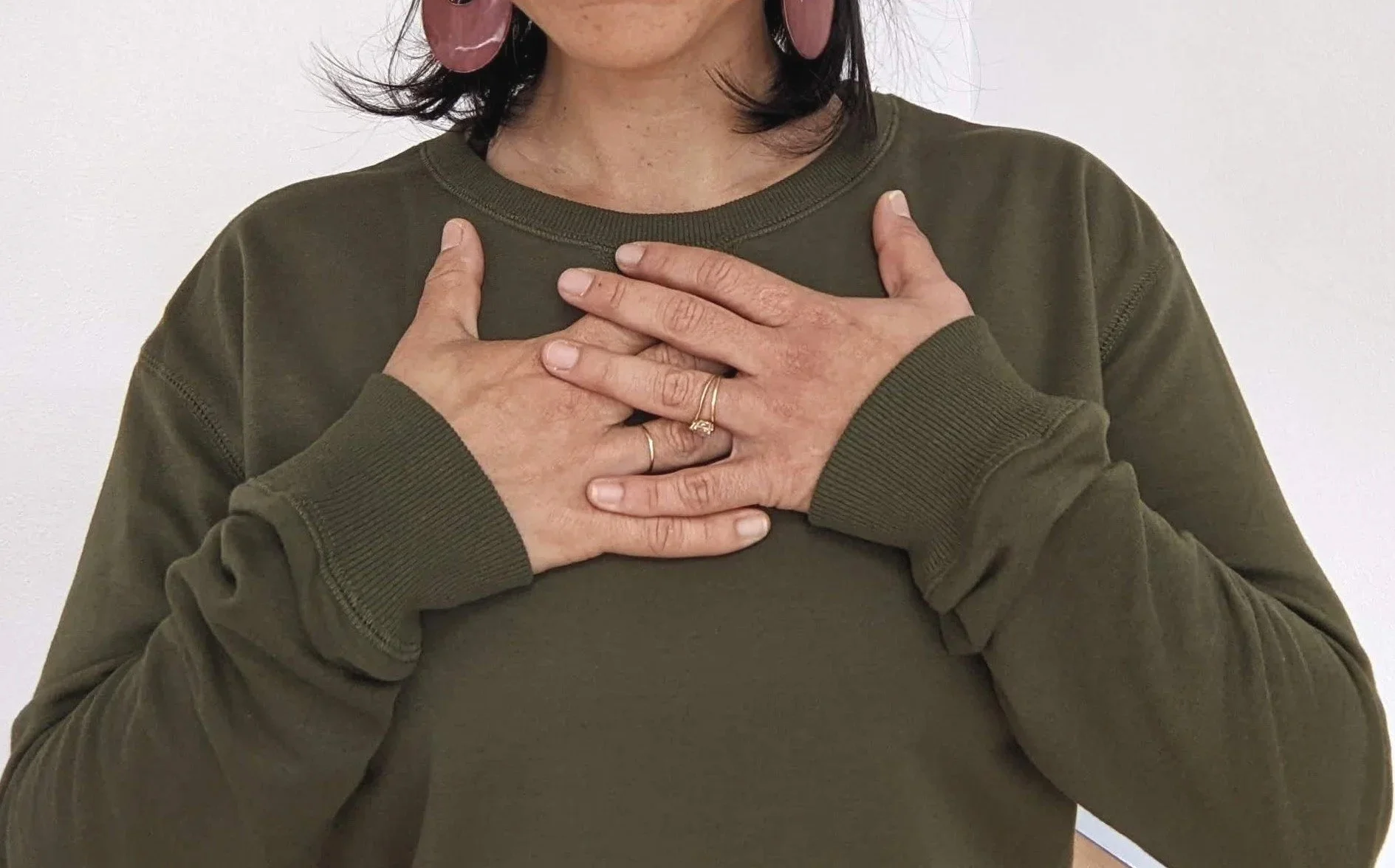
What somatic movement means to me
Somatic movement is less about what you do and more about how you do it.
It is an approach to movement that centers the body’s internal experience, using sensation, awareness, and breath to guide movement rather than relying on external form or performance. In somatic movement, the body becomes the guide.
This work allows movement to support healing and strength from the inside out, instead of focusing on shaping, fixing, or forcing the body.
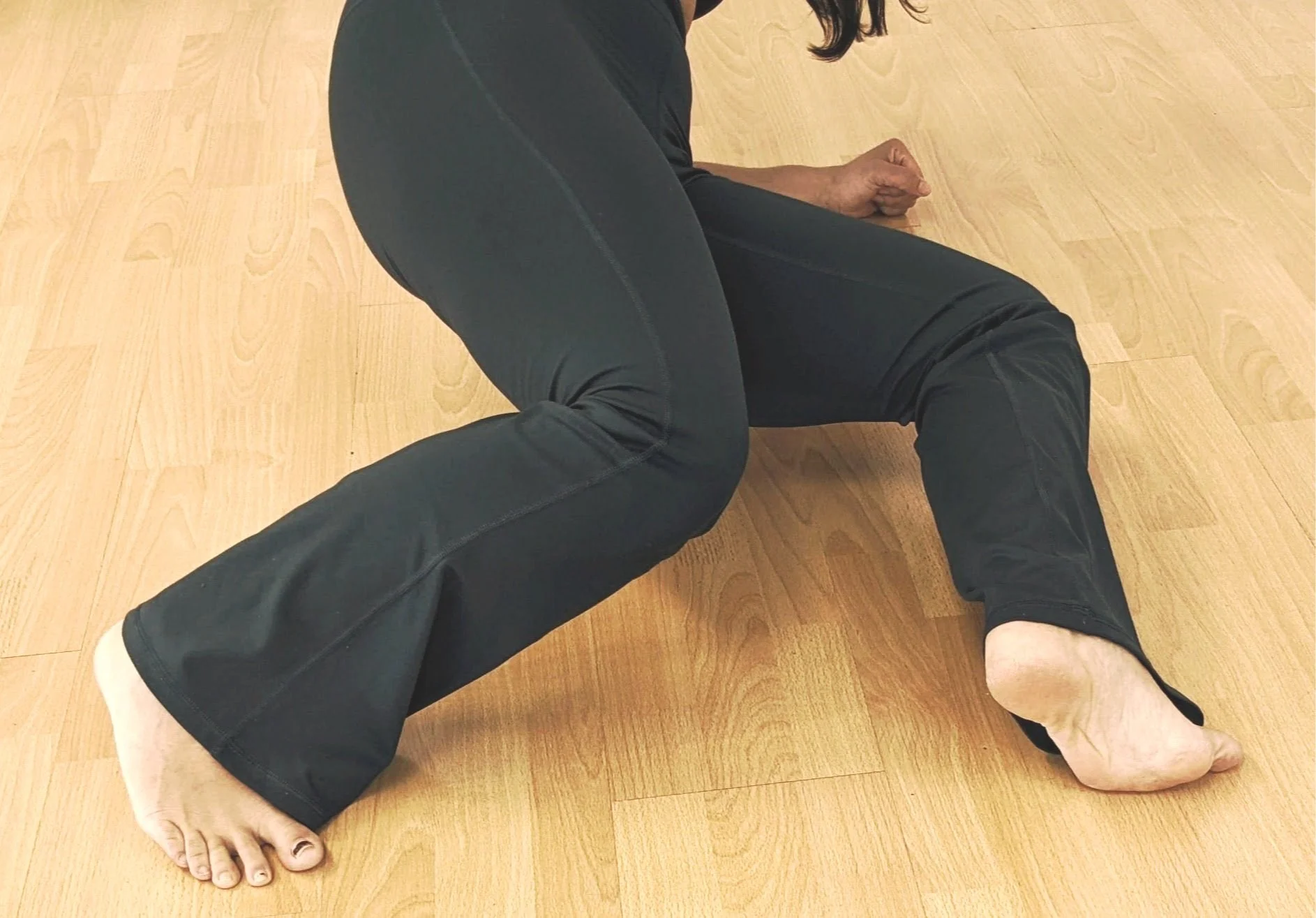
Why this work matters
Many of us carry stress, tension, and unresolved experiences in our bodies without realizing it.
Somatic movement helps increase body awareness and reconnect us to natural movement patterns. By strengthening our awareness of internal sensations, we can begin to regulate our nervous systems more effectively and build a more compassionate relationship with our bodies.
From a nervous system perspective, this work supports a shift from survival responses — such as fight, flight, freeze, or fawn — into states of rest, connection, and resilience.
How this work shows up in practice
Somatic principles are woven throughout everything I offer.
Because somatic movement is a process rather than a fixed method, many types of movement can be practiced somatically. What matters is the quality of attention, choice, and awareness brought to the experience.
The impact of somatic movement
This work unfolds gradually and builds with consistency. It’s not about quick fixes — it’s about creating a sustainable relationship with the body.
Over time, somatic practices can support:
breathwork
body scan meditation
gentle warm-up or “puttering” movements
floor work using gravity
functional strength practices drawn from barre, Pilates, and yoga
improved body awareness and self-regulation
release of held tension and stress
increased mobility and ease of movement
pain reduction through healthier movement patterns
emotional processing and resilience
Lineage & learning
My work is deeply influenced by my teachers and mentors, including Kaila June Keliikuli, whose work in somatic movement and education has shaped my understanding of this practice.
For those interested in studying somatic movement more deeply, I encourage exploring her teachings, as well as the work of ISMETA, the professional organization overseeing somatic practice and education.
An invitation
Whether you come to this work seeking strength, healing, or deeper connection, my hope is that movement becomes a place of support and trust for you.
When we learn to listen to the body, it can guide us home.